百年法壇中,恣意生長的高跟鞋靈魂
The Hundred-Year Altar and the Boy Who Wore Heels
企劃│蔡佳璇 導演│賴麗美
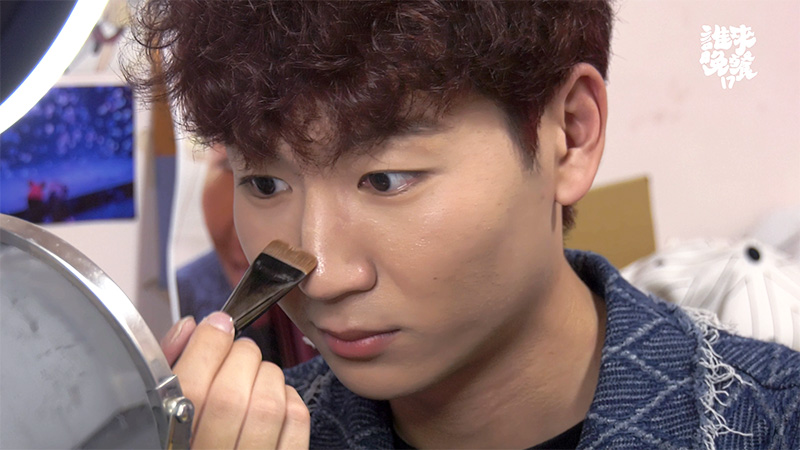
| 在彰化員林,一個三代同堂的傳統家庭,突然出了一個高調做自己的Z世代網紅。主角亮亮,本名黃群哲,去年退伍後開始認真經營自媒體,他喜歡穿著高跟鞋勁歌熱舞,影片充滿前衛與草根元素的反差感,而家人也成了他創作內容的亮點。 |
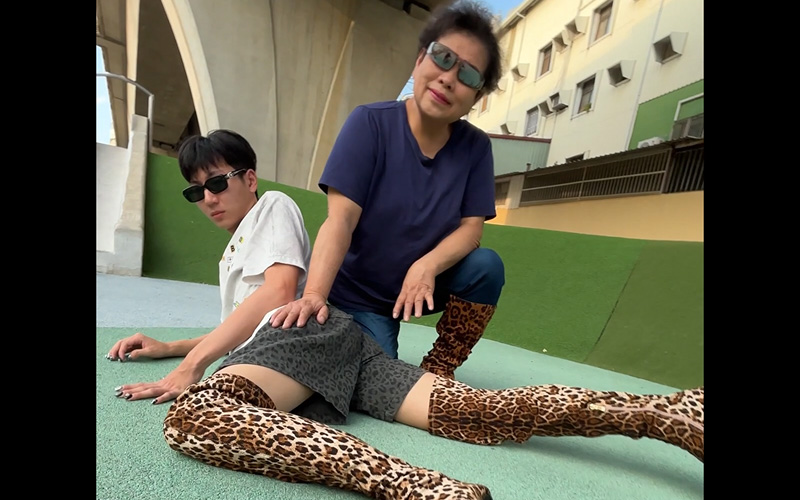 亮亮與阿媽穿高跟鞋拍片,充滿趣味與反差感 |
百年法壇家族,看盡人間冷暖
亮亮的家族經營宗教組織「瑞法壇」,傳承已經超過百年,提供佛教與道教的儀式服務。阿公黃川榕是當家壇主,個性內斂冷靜,即使亮亮在身旁熱舞也表情淡定,不過只要談起宗教專業,就立刻打開話匣子。
爸爸黃建隆則是接班人,粗獷的外表底下有俏皮的一面。媽媽吳佩菁結婚後也加入瑞法壇的工作,入行30年來,在喪葬場合看盡許多人情冷暖。雖然自認個性保守,但面對孩子的搞怪點子,她總是全力配合。
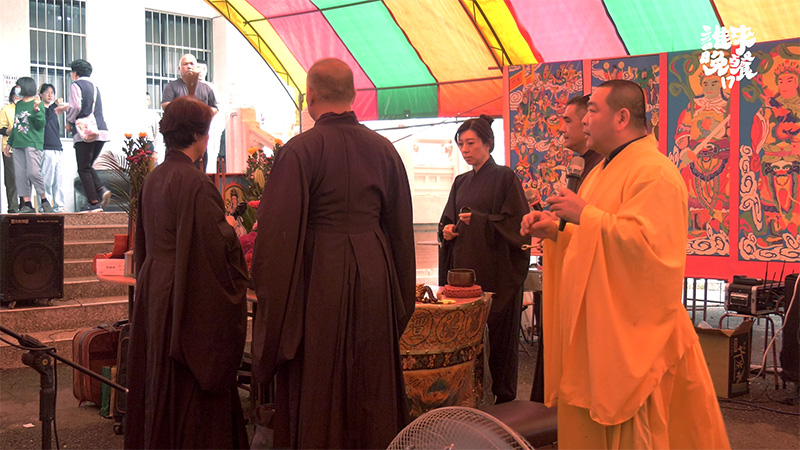 瑞法壇在清明法會負責誦經法事 |
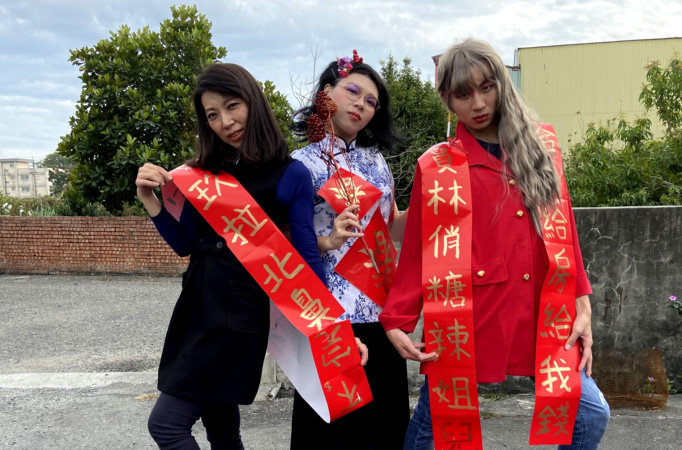 母子三人穿著華麗浮誇的裝扮跳舞拍片 |
幕後神隊友的悶騷反差
亮亮是典型的「數位原住民」,國中一拿到智慧型手機就拍了第一支影片,還曾經拉著媽媽與姊姊組成團體跳舞拍片。姊姊黃鈺淳是他重要的幕後夥伴,平日擔任公司內勤,假日就化身亮亮的專屬攝影師及助理。
鈺淳個性溫順,將情感寄託在宅文化,有時要透過娃娃說話,才敢表達真實心聲。不過只要她換個造型,便能切換成「黑化模式」,大膽在街頭熱舞。
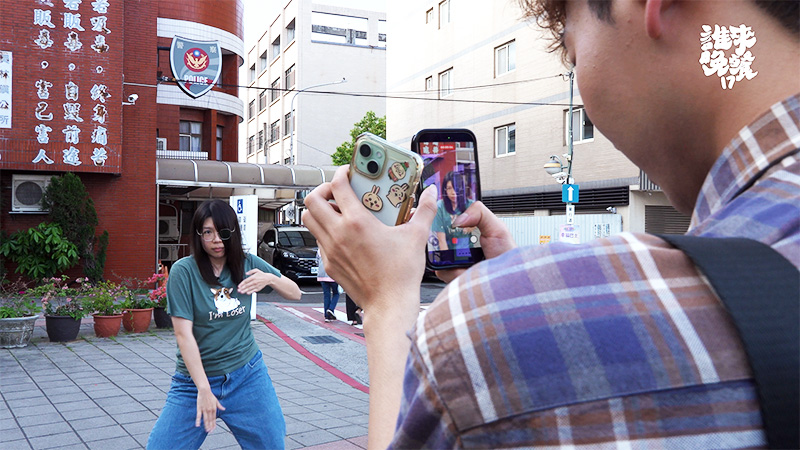 鈺淳進入黑化模式,展現狂野的另一面 |
網紅阿媽的第二人生
阿媽王秀蓮自帶大姐頭氣場、嘴裡常迸出犀利的台語俚語。她透過亮亮的鏡頭意外在網路上開展了第二人生。
雖然跟著亮亮拍出了樂趣,但她心裡其實還是搞不懂「網紅」到底算什麼正經工作,時常擔心亮亮能否養活自己。當阿媽表達對孫子的擔憂時,夾在中間的爸爸總會從中協調,努力維繫家庭和諧。
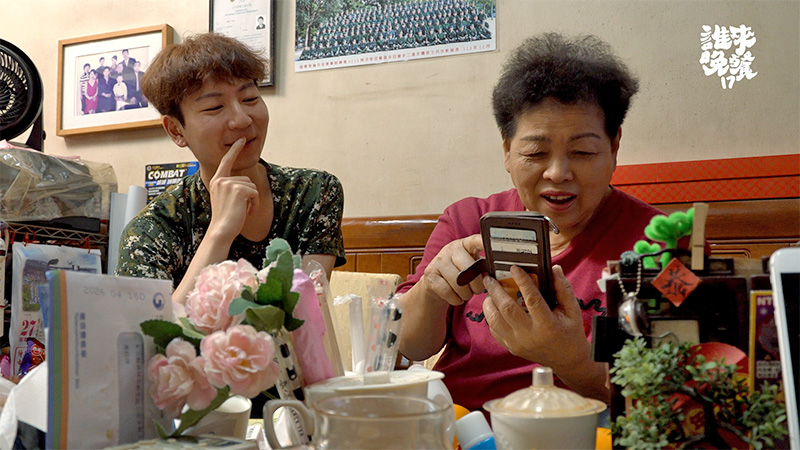 阿媽沒事就拿著手機「海巡」網路留言 |
耀眼姿態背後的溫柔信念
亮亮在鏡頭前如此大膽高調,不只是為了掌聲與點閱,更深層的原因,是想鼓勵每一個渴望表現自己的孩子,挺身抵抗外在的偏見。
亮亮總覺得家中長輩作風保守,不過他們面對亮亮各種打破框架的舉動,卻又默默展現支持與接納,甚至也透過和亮亮拍片,釋放內心的表演魂。
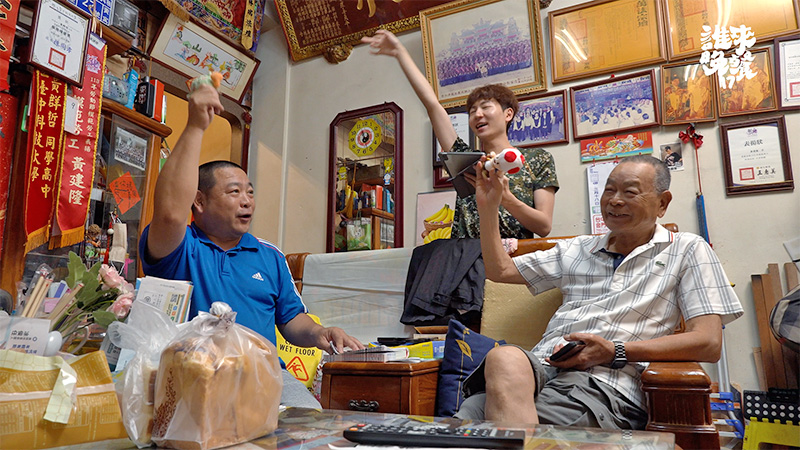 亮亮對著阿公與爸爸勁歌熱舞 |
這次將是哪位來賓走進他們家,共度一場歡樂的時光呢?
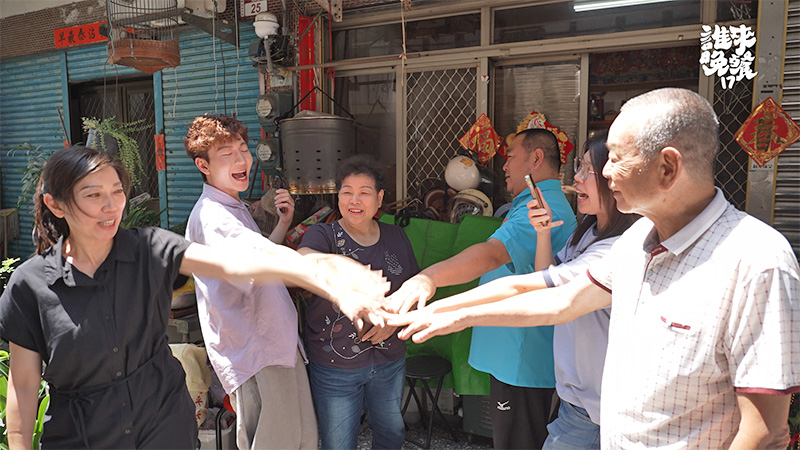 來賓到訪前,全家人聚在一起信心喊話 |
Introduction
A century-old altar.
A family that keeps the faith.
And a young man who dances to a different beat — in high heels.
In this episode, we meet Liangliang, a Gen Z content creator from Changhua Yuanlin, and his three-generation family running Ruifa Altar — a traditional Taoist-Buddhist practice passed down for over a hundred years. Liangliang's videos are bold, loud, and unapologetic: strutting his stuff, singing in high heels, and filming his family's everyday chaos. But behind the glitter is a young man who knew early on he wasn't cut out for the classroom — and chose to chase a dream that made no sense to anyone but his sister.
His family is a study in contrasts: Grandma Sioulian, sharp-tongued and secretly proud, still isn't sure what a "content creator" actually does. Grandpa Chuanrong, quiet and steady, has seen enough to accept just about anything. Dad Longge, the mediator, just wants everyone to be happy. Mom Peijing holds the household together with home-cooked meals and a firm hand when needed. And Yuchun, introverted and artistic, finds her own voice through drawing and a "dark mode" that lets her say what she can't in real life.
Through funeral rites and family dinners, this household is learning to hold on to tradition while accepting change. In a home where love runs deep but words don't come easily, care shows up in quieter ways — in staying, in holding on, and in learning to let go.
What does it mean to be yourself when your family doesn't understand your world?
Can love survive when you no longer speak the same language?
And when a family built on ritual learns to embrace the unexpected — what gets kept, and what finally gets let go?
Let's dive in and find out!